
GUARDIANS
AAF partnered with the Australia BioCommons’ GUARDIANS project to improve Australia’s capacity to share human omics research data securely and responsibly.

Every time a researcher logs into a data platform, runs an analysis on a national supercomputer or shares results with a collaborator overseas, trust and identity infrastructure is doing the work in the background. It’s mostly invisible, but Australian research can’t run without it.
The National Sovereign Trust & Identity Australia Capability (T&I Australia) is the program strengthening Australia’s national research infrastructure.
Funded by the Australian Government’s National Collaborative Research Infrastructure Strategy (NCRIS), we’re giving researchers in universities, government, industry, medical research, cultural institutions and community organisations secure access to the world-class data, tools and infrastructure they need.

Without strong, nationally coordinated trust and identity systems for national research infrastructure:
A sovereign, nationally coordinated capability keeps critical trust infrastructure under Australian control while staying aligned with international standards.
It means researchers can securely reach what they need, whether they’re in a university, government agency, industry, medical research institute, cultural institution or community research organisation.
Seven connected focus areas, each strengthening a different part of Australia's research ecosystem.
Research doesn’t only happen at universities anymore. The program extends national-scale trusted access to research, data, high-performance computing (HPC), quantum and digital platforms across:
That means fewer barriers to collaboration, and more researchers able to securely take part in nationally significant research.
As cyber threats get more sophisticated, stronger identity assurance becomes critical. The program will enhance Australia’s current Federation and national T&I Framework through:
So research infrastructure providers can confidently verify who’s accessing their systems and sensitive information.
Research is global. Australia’s trust and identity ecosystem needs to stay compatible with international research infrastructures and emerging standards. The program strengthens alignment with:
This keeps Australia connected to global research networks, with local solutions that stay fit for purpose and sovereign.
Researchers rely on a wide mix of data repositories, software platforms, compute environments and instruments. The program supports:
With trust and identity built into the tools they use every day, researchers can move between systems more easily.
Showing the impact of research infrastructure matters more than ever. The program advances the use of Persistent Identifiers (PIDs) to improve:
This helps infrastructure providers, government funders and research organisations understand and demonstrate the value of Australia’s national research investment.
Modern research often involves sensitive, valuable or culturally significant information. The program strengthens capability that supports:
Trust and identity infrastructure is what makes sure the right people get the right access to the right data, under the right conditions.
Technology alone isn’t enough. The program builds Australia’s Trust and Identity expertise through:
So Australia has the people to design, run and sustain trusted digital research environments well into the future.
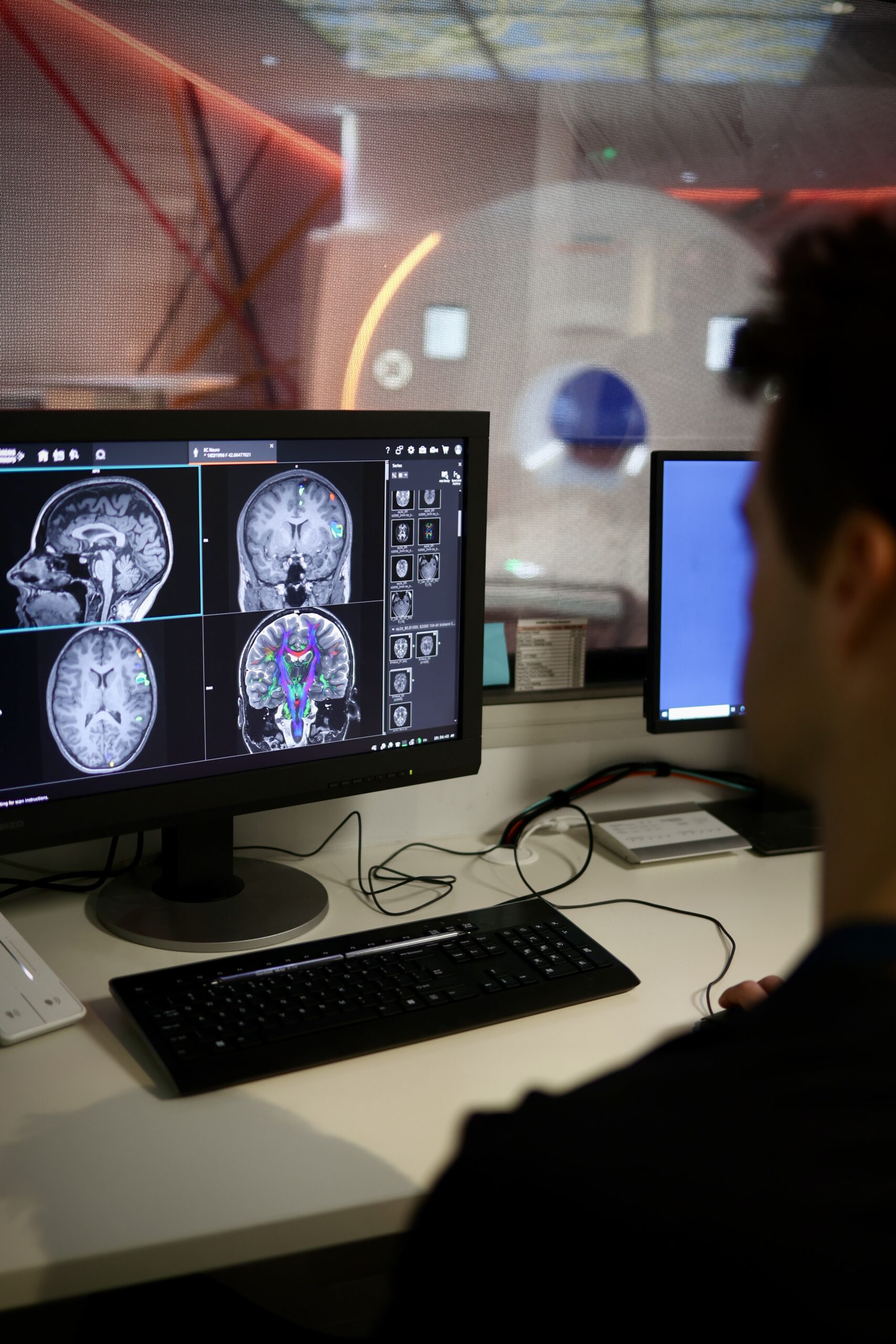
Working in partnership with research infrastructure providers, researchers, government, industry and community stakeholders, T&I Australia is helping strengthen the secure, connected environment that underpins world-class research and collaboration.
To ensure T&I Australia reflects the needs and priorities of the sector, the AAF is hosting a series of Town Halls and Reference Groups. We invite you to join and help shape the future of trust and identity for Australian research.
See the foundational work explored through the T&I Pathfinder projects.
AAF partnered with the Australia BioCommons’ GUARDIANS project to improve Australia’s capacity to share human omics research data securely and responsibly.

Microscopy Australia and AAF are exploring how persistent identifiers can connect researchers, instruments, facilities and research outputs. The goal is to help research infrastructure providers reduce manual reporting, improve attribution and build stronger evidence of the impact their facilities create.
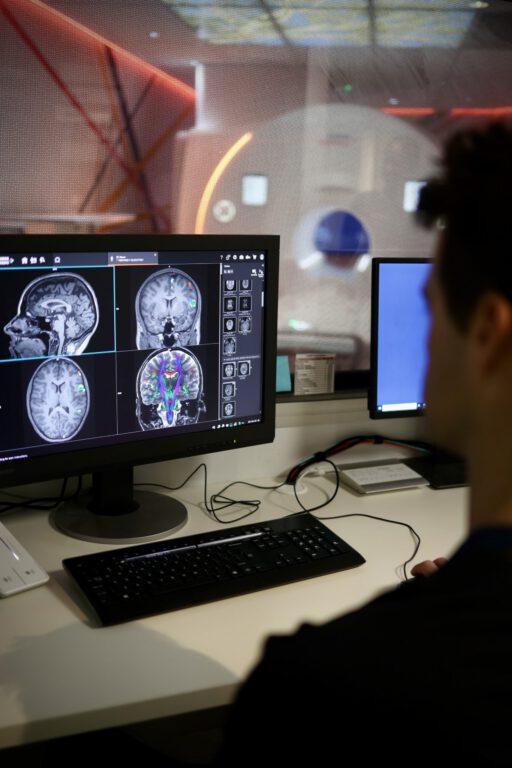
Through the AAF–NIF Trust & Identity incubator, the National Imaging Facility (NIF) is exploring how trusted identity can reduce the time and complexity involved in connecting people, data and services. The aim is to help researchers collaborate more effectively and speed up the translation of research into better outcomes for patients and communities.

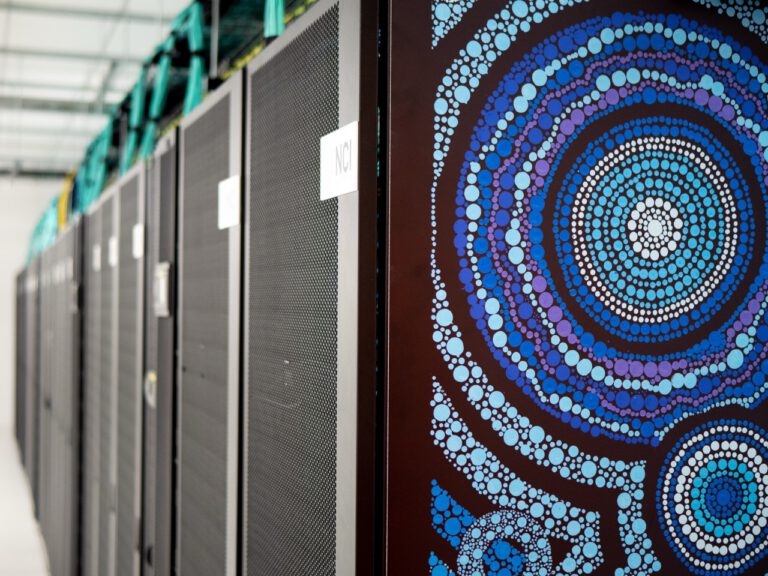
AAF has partnered with the National Computational Infrastructure (NCI) to explore improved trust and identity for their researcher, government and industry users.

Imagine a world where medical science researchers can unlock Australia’s vital phenomics data with a single click — no barriers, no delays, just seamless collaboration across institutions. That’s the vision driving an exciting new partnership between the AAF and Phenomics Australia.
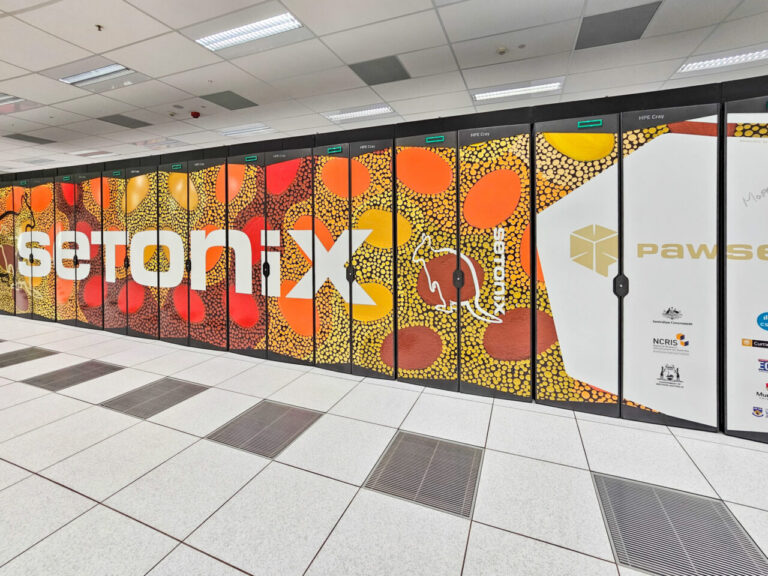
AAF has partnered with the Pawsey Supercomputing Research Centre exploring options to provide seamless and secure access to their supercomputing service using federated identities
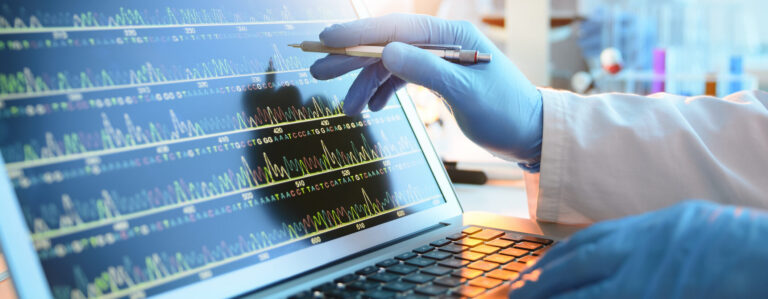
AAF has partnered with ARDC to ensure the trust and identity policies and technologies support researchersacross distributed infrastructures and research communities.
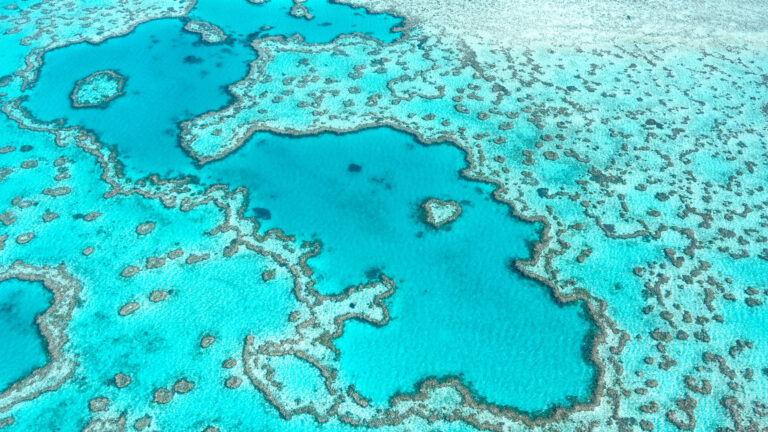
Climate research depends on understanding how critical national research infrastructure is being used. Through the AAF and ACCESS-NRI Trust & Identity incubator, ACCESS-NRI is exploring how trusted identity can provide better insight into the use and impact of climate research software, data and services.