2 December 2025
Brisbane, QLD — The Australian Access Federation (AAF) enables access to critical ecosystem research data at the Terrestrial Ecosystem Research Network (TERN Australia) and strengthens national collaboration.
In today’s research landscape, data is everywhere — but access isn’t always simple. For scientists working on critical issues like climate change, the ability to securely and seamlessly access data is crucial to tackle one of the greatest challenges of our time.
That’s why the Queensland-based AAF is so vital. It provides trusted, secure and seamless access that connects researchers nationally to the tools and information they need — without compromising security or usability.
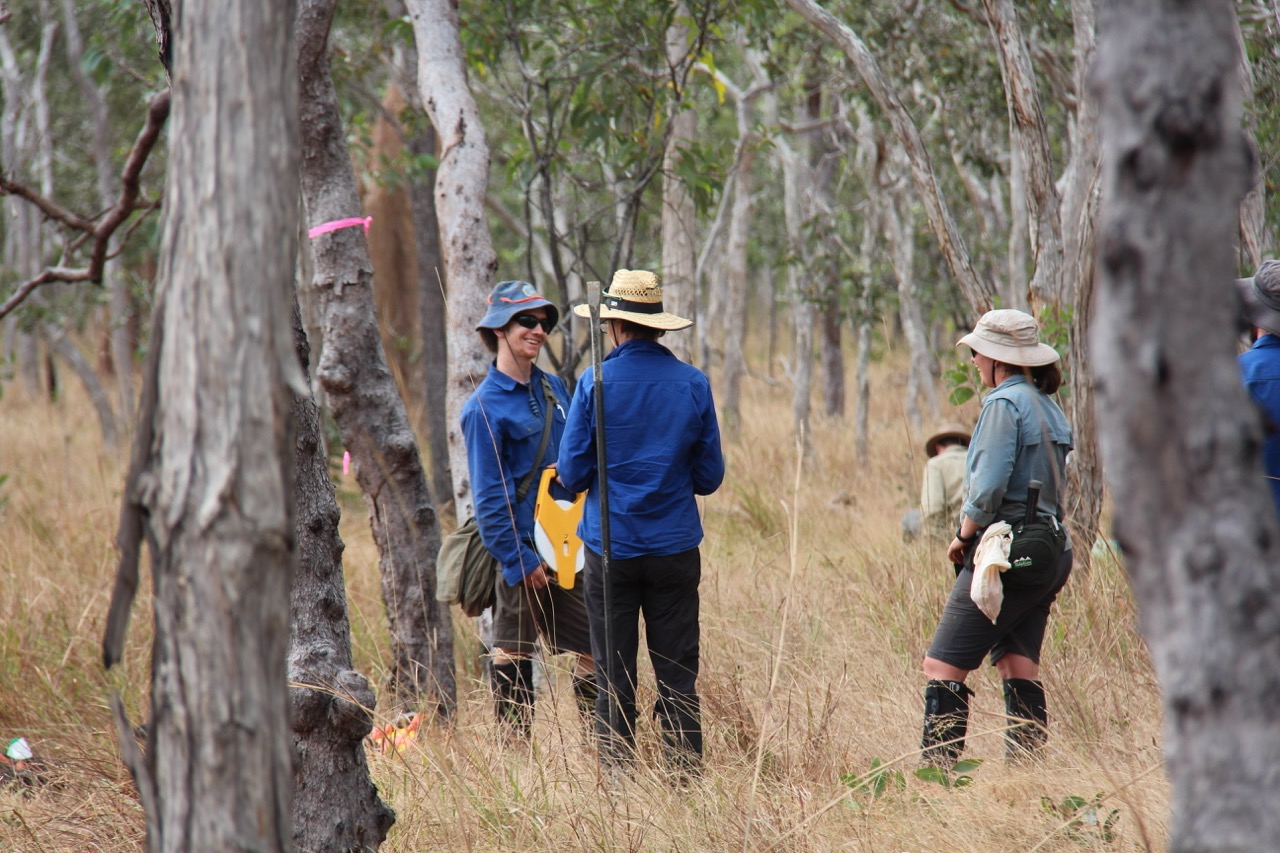
TERN Australia offers world-class infrastructure for monitoring changes to our environment and climate and enabling predictions of future risks across Australia. Its open-access data streams — from ecological monitoring to remote sensing products — are essential for understanding how ecosystems respond to pressures like climate change, land degradation, and water scarcity. Researchers rely on TERN Australia’s model-ready datasets to forecast trends, inform policy, and support sustainable land management.
But with hundreds of field sites, interactive platforms, and international collaborations, access to TERN Australia’s resources could easily become complex and fragmented. That’s where the AAF’s services provide simple and secure access at a national scale.
Securely connecting Australian research
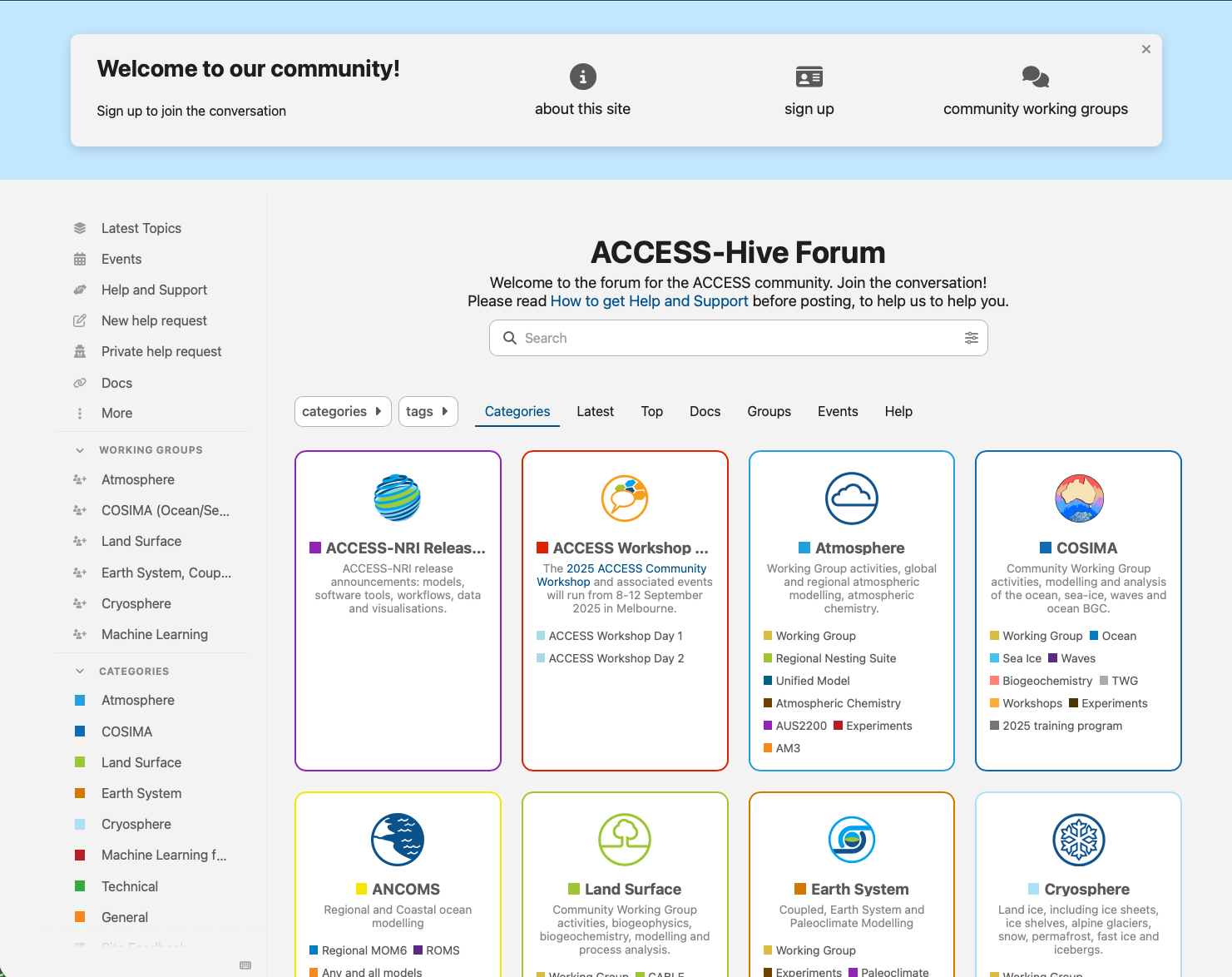
Through its federated identity and access management services, the AAF enables researchers to log in to TERN Australia’s Data Discovery Portal and other platforms using their existing institutional credentials. This means:
- Enhanced security — protecting sensitive data and research integrity.
- Seamless collaboration — across universities, government agencies, and international partners.
- Increased productivity — saving valuable researcher time and avoiding duplication.
In 2025 alone, the AAF enabled up to 800 researchers from across multiple research organisations to access TERN Australia services, ensuring researchers could securely access critical data without barriers. This trusted access model saves time, reduces administrative overhead, and strengthens Australia’s research ecosystem.
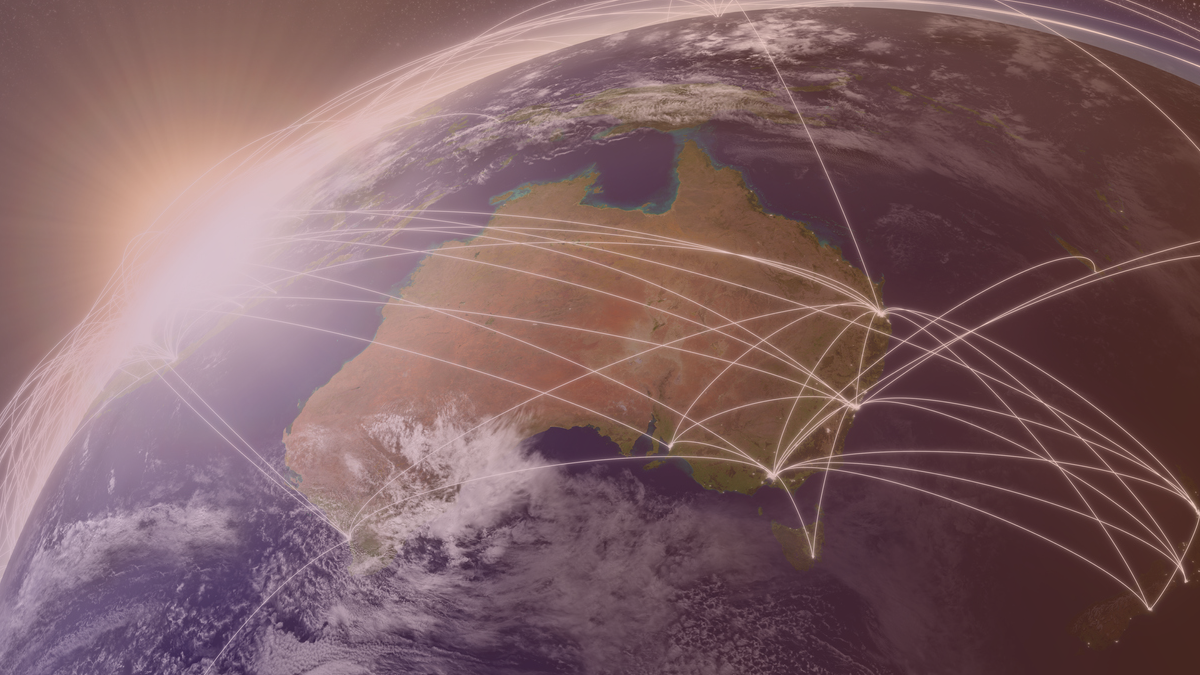
This is just one example of the many services supporting the Australian research ecosystem. Through its Federation, the AAF connects over 1,100 national and international services and provides access to over 1M researchers globally, spanning research areas ranging from climate, health and medicine, astronomy and healthy societies.
Heath Marks, AAF’s CEO, explains “Trusted access is fundamental to modern research. Our work with TERN exemplifies how federated access can empower environmental science at scale.”
By partnering with the AAF, TERN Australia can focus on what it does best — providing open, standardised, high-quality data for long-term environmental monitoring and modelling. Meanwhile, the AAF ensures that this data is accessed securely and efficiently by those who need it most.
Dr Beryl Morris, Executive Director, TERN Australia says, “Secure and seamless access to TERN’s data is critical for advancing ecosystem science. By partnering with the AAF, we ensure researchers can focus on solving environmental challenges using the best available data without barriers. This collaboration strengthens Australia’s ability to deliver world-class ecosystem monitoring and supports informed decision-making by industry, natural resource managers and policy makers to protect the biodiversity of Australia and achieve a net zero future.”
Enabling research to tackle national challenges
AAF is the cornerstone of Australia’s research ecosystem. By enabling trusted access, the AAF helps researchers tackle urgent challenges like climate change, biodiversity loss, and sustainable resource management. Without the AAF, collaboration would be slower, riskier, and far less effective.